Does It Matter If I Don’t Belong Anywhere?
I grew up between worlds — Africa, England, and then worked for a company that gave me the identity neither had. This is about finding your identity when your career changes.
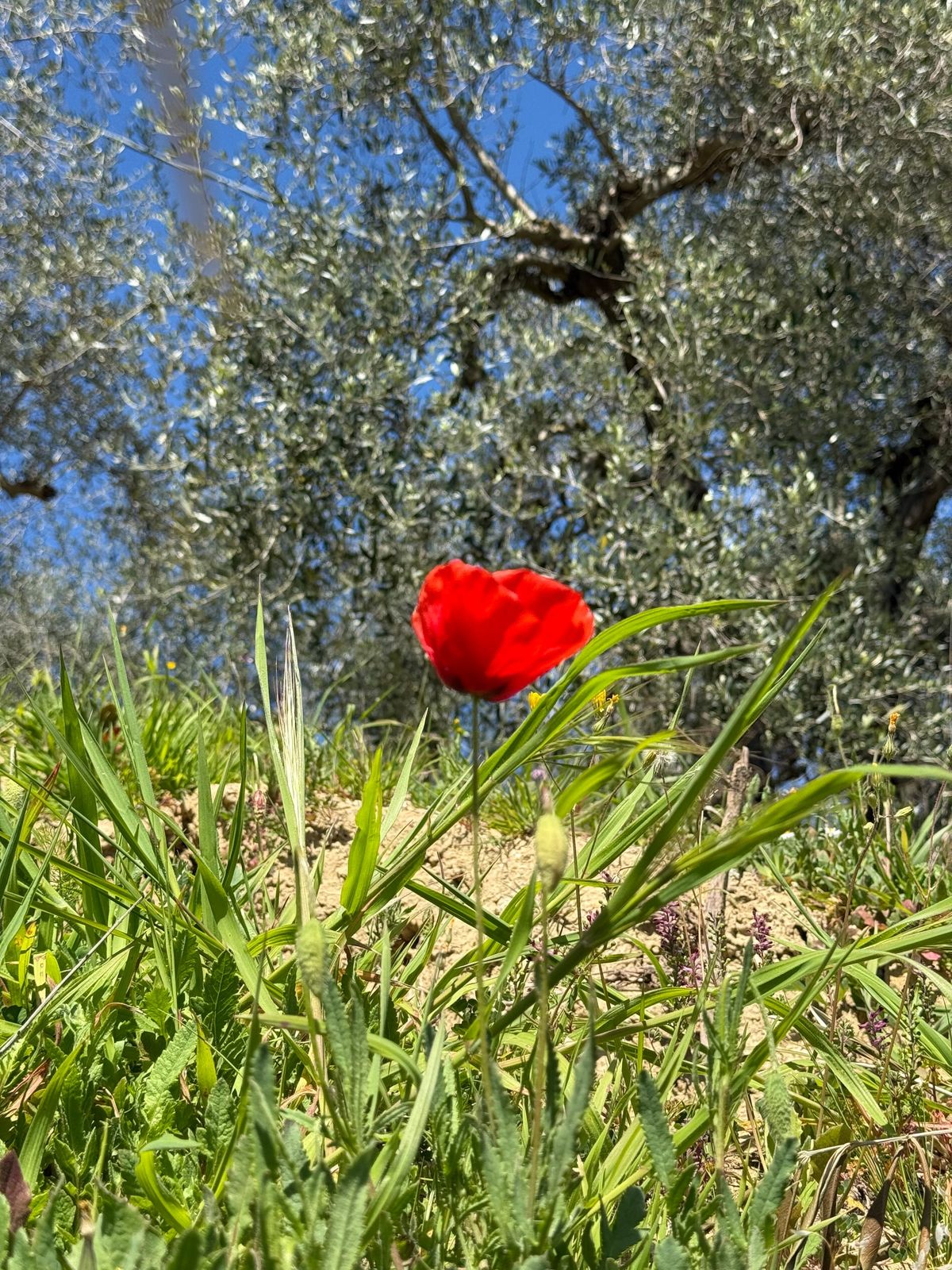
On roots, belonging, and finding your place.
Published this on Medium yesterday, so thought I would share.
Thirty-five years ago, I told my mother I was enrolling in an MSc in African Politics. I wanted to understand the part of me that came from her — the African half, the half I found hard to explain to others, the half I also wanted to belong to.
She considered this for a moment. Then she said: You can keep searching to belong to your African identity, but you will never find it. I grew up in a village, and I felt disconnected from it.
I have always been betwixt and between things. Born in Africa, sent to boarding school in England at eight, mixed race, proudly holding two cultural halves that I still feel add up to more than a whole. But disconnected from both — the kid who could join all the different groups in the playground, but couldn’t talk to his grandmother because he didn’t know her language.
The world I came of age in — the globalising world of the late twentieth century — rewarded this not-belonging. The person who wasn’t anchored to a single culture, who moved easily, who didn’t need to be from anywhere specific. Employable. Deployable. I turned it into a career.
I built an identity inside a large corporation. Membership, purpose, status, and a clear answer to the question who are you — all in a single structure.
Then the branch snapped.
When the career ended, I lost my identity.
The old framework no longer fits. The new one isn’t built yet.
The life I’m trying — writing, coaching, land in Tuscany — is an attempt to choose roots. Ones I built rather than inherited.
Watching the news makes me worry about where I am building them.
I am a mixed-race British citizen living and working in continental Europe. My life is in a country that is not my own, in a period when the architecture of international belonging is under sustained attack.
Hannah Arendt wrote about the vulnerability of people dependent on “the right to have rights” rather than secure political membership of being unambiguously from somewhere.
I am not stateless. I have passports. But in a polarising world, the people safest are those with deep roots in one place. That global world is closing, and the exposure feels real.
I come back to my mother’s sentence.
She wanted to go to America. She spent decades between worlds — too educated for where she came from, too African for where she arrived. Eventually, she stopped searching and went back. She lives now in the village where she was born, close to the family she grew up with.
Far from her children.
My father lives alone in the same country, separated from her, separated from us. I am in Tuscany, children in London, between my wife in Brussels and here. My sisters made a different choice — to stay in the UK.
The family pattern is clearly visible. One generation’s searching for somewhere else is passed on to the next.
The most real version of me is up a tree. Nature around. No one is watching.
I don’t want to search anymore. I am slowing. I call it LifeUnwound — unravelling and healing at the same time. Not the African identity. Not the English one. I belong in between — dispersed, mixed, globalised and like anyone feeling outside in the place they grew up in.
My children move between families — grandparents in Spain, aunts and uncles in Germany, summers in Tuscany, roots in Africa. My eldest is learning Chinese and wants to go to university in China. I don’t know which pattern they will choose.
I didn’t plan to end up in Tuscany. But I’ve been thinking about the geography.
It sits almost exactly halfway between England and Africa. A life in the between place, in the countryside, on a hill, that belongs to neither of the worlds pulling at me, but holds enough of each to make me feel instinctively at home.
My mother found her identity back in her village. My father found his in the same place, but separate.
I find mine differently — in my wife’s family warmth, in the kids arriving in summer, in the land and the trees.
Arendt’s words remind me that settling in a place where you don’t have secure political membership is a gamble. The olive trees don’t care about my passport, but the world around them might.
Then I wonder how much is external fear and how much is my own fear of finally settling.